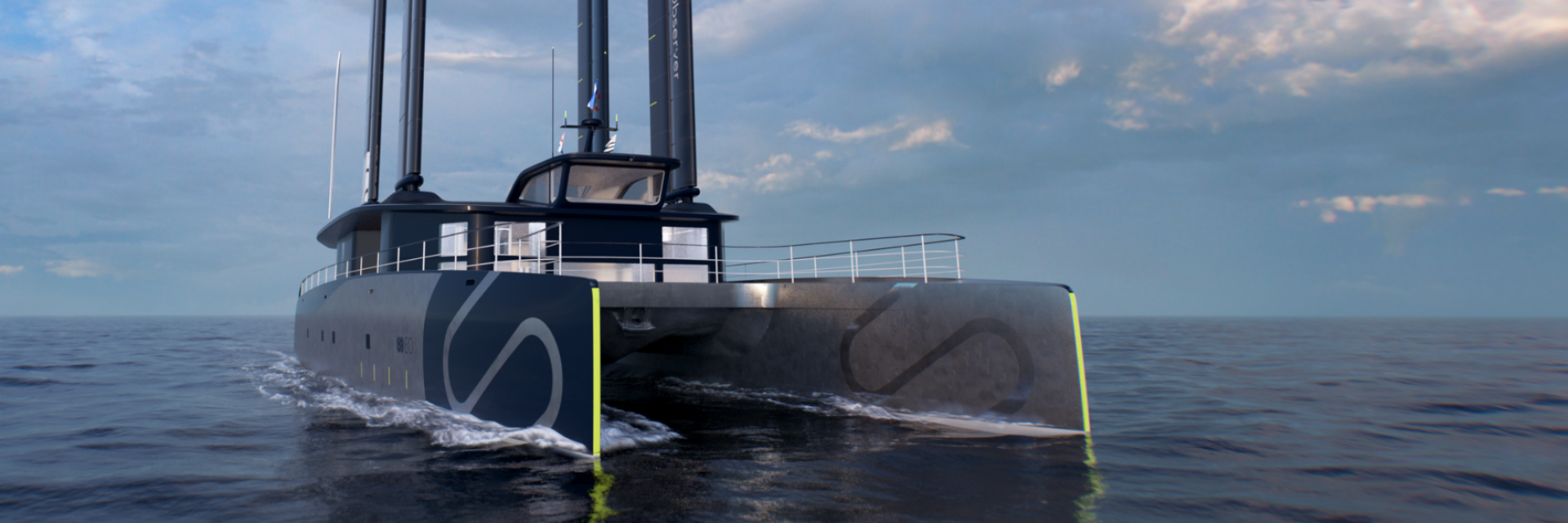
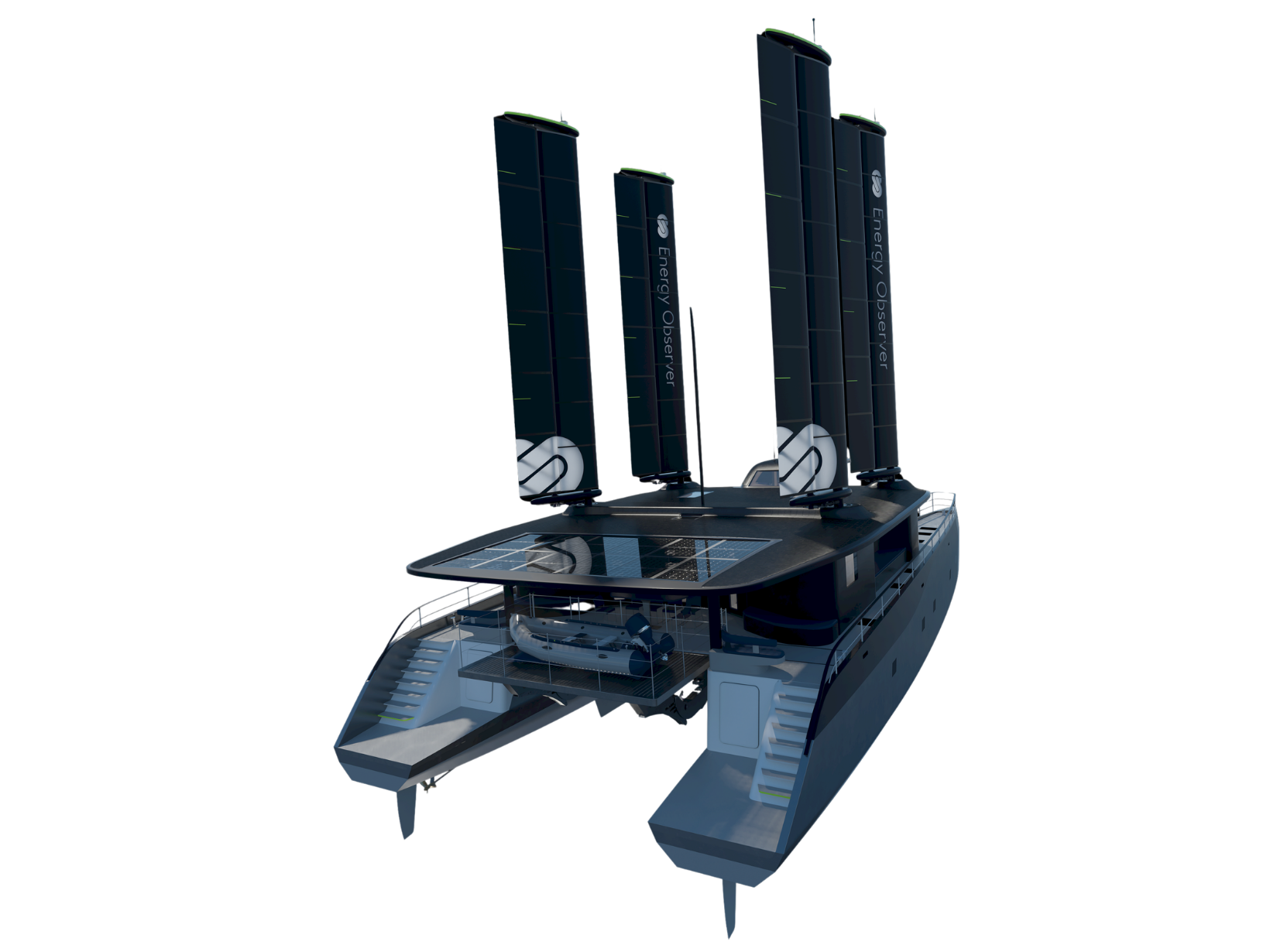
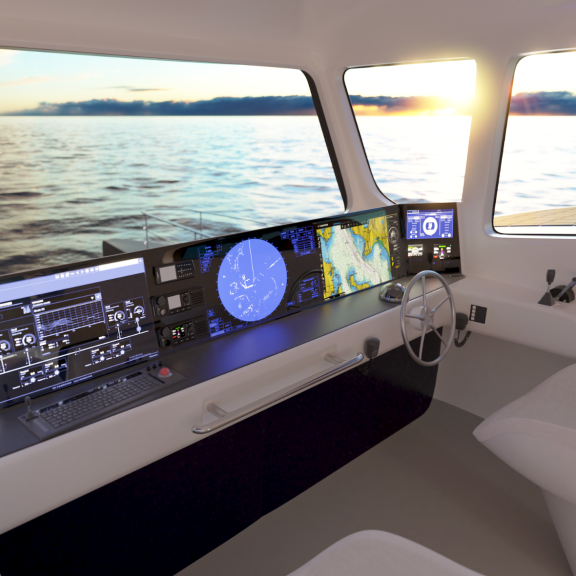
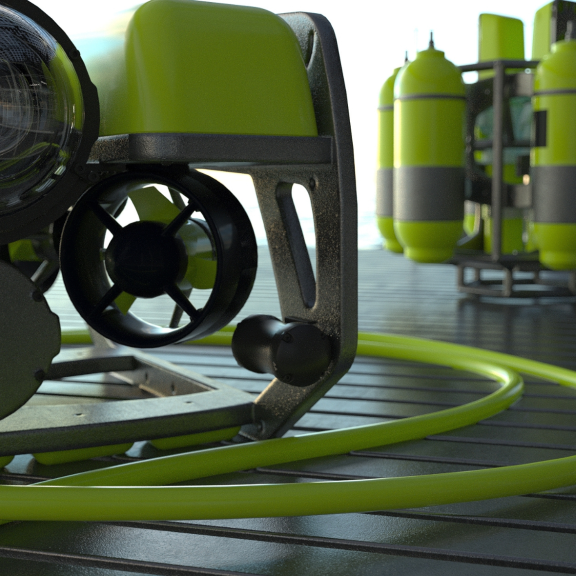
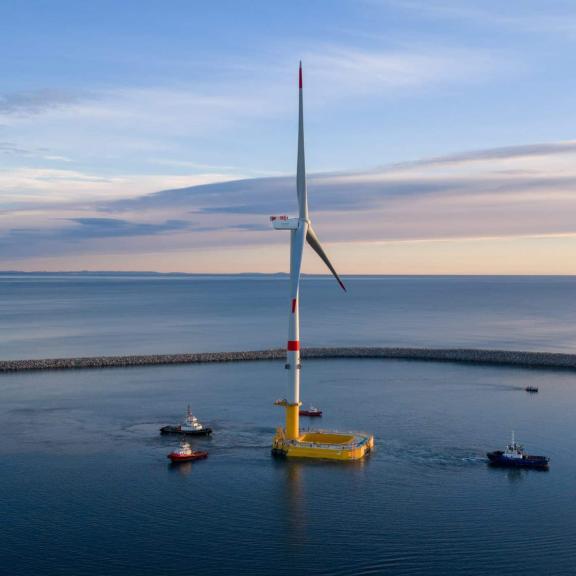
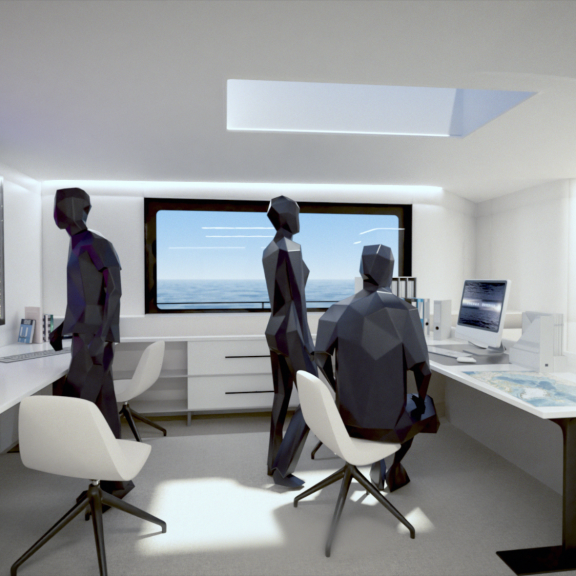
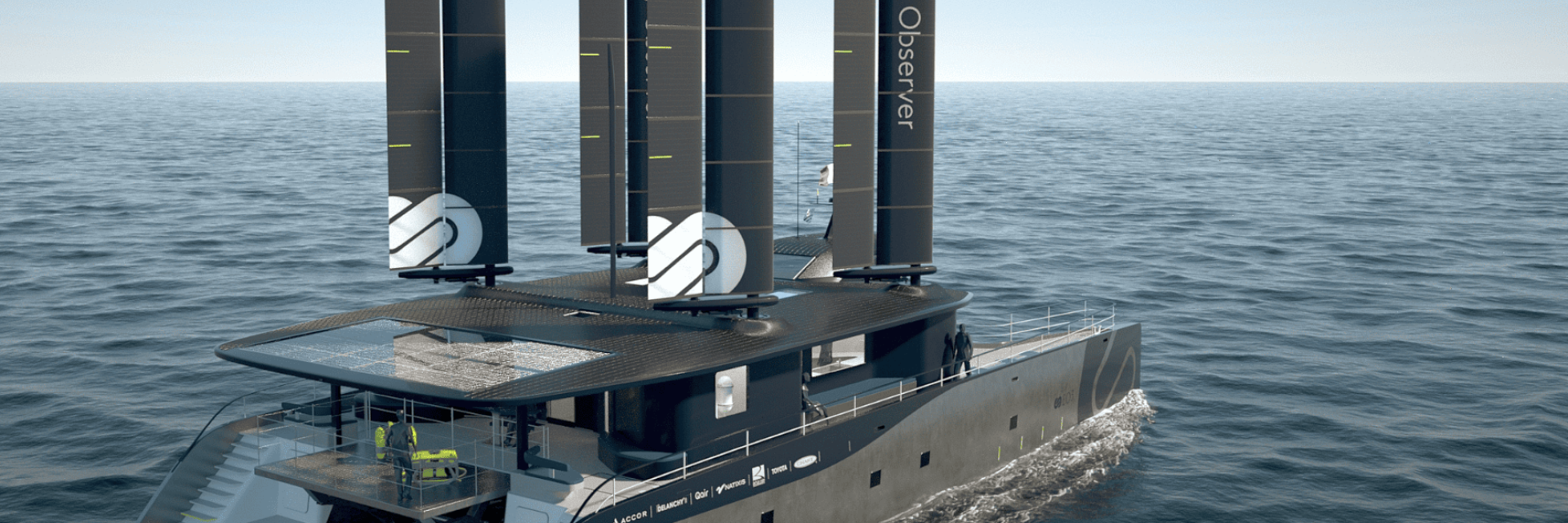
Designed to test the complementarity of low-carbon solutions, synthetic fuels, hydrogen carriers, sail propulsion, and on-board renewable energies in real-world conditions, the EO3 laboratory vessel represents a new stage in our Energy Observer expedition.
EO3 builds on years of pioneering experience aboard Energy Observer 1, which proved that a vessel can navigate the world powered entirely by renewable energy. As of 2027, EO3 takes over. Built to professional maritime standards, this new-generation vessel is designed as a display and collaboration tool, capable of driving real change in global shipping in line with the IMO's target of a 70% reduction in GHG emissions by 2040.
EO3 will also serve as an exceptional engagement platform, offering partners the opportunity to take an active role in missions, discover the innovations being tested, and make a tangible contribution to the emergence of low-carbon maritime solutions.
The hybrid energy system behind EO3
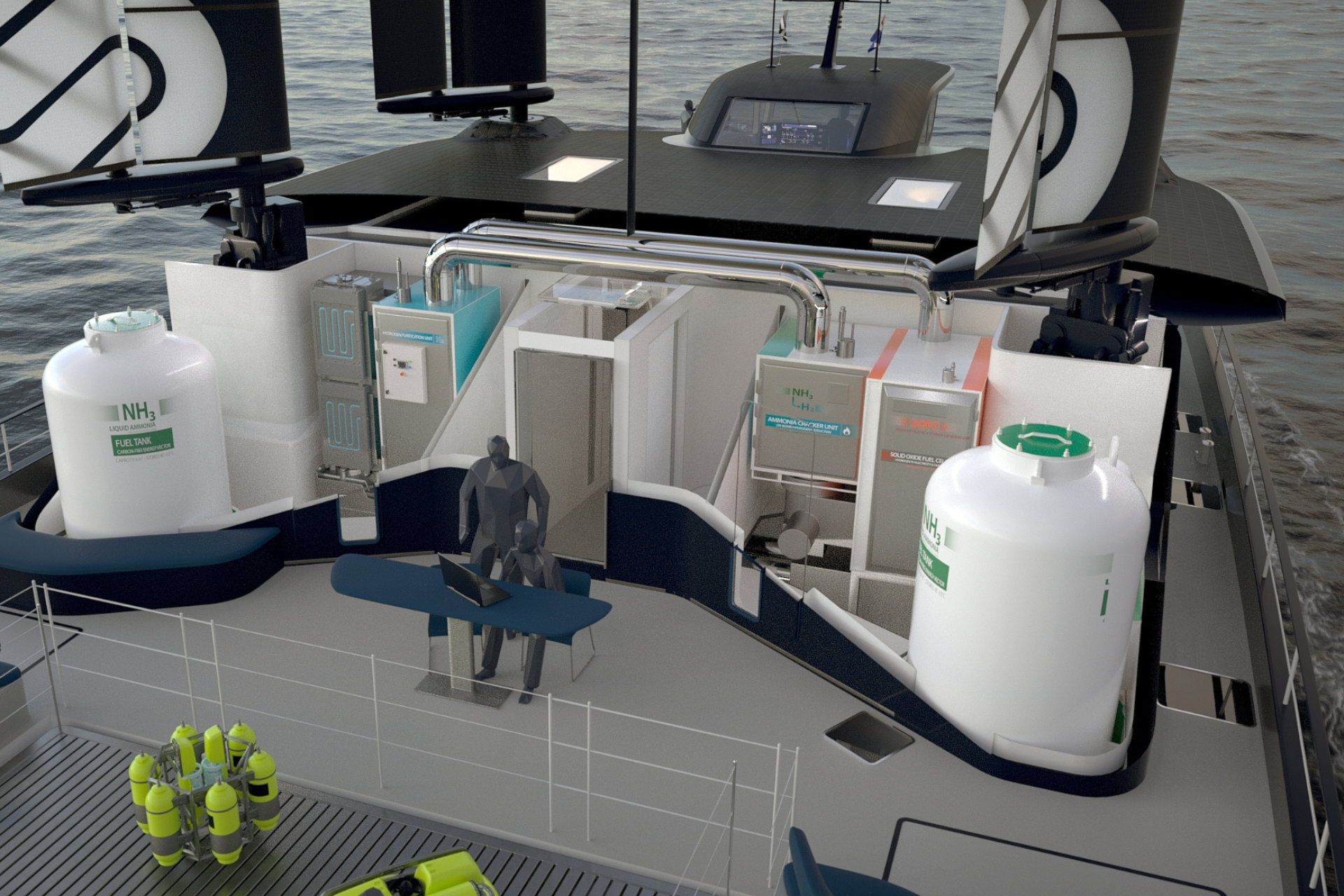
EO3 explores two complementary approaches to using ammonia: direct combustion and hydrogen cracking to power fuel cells.
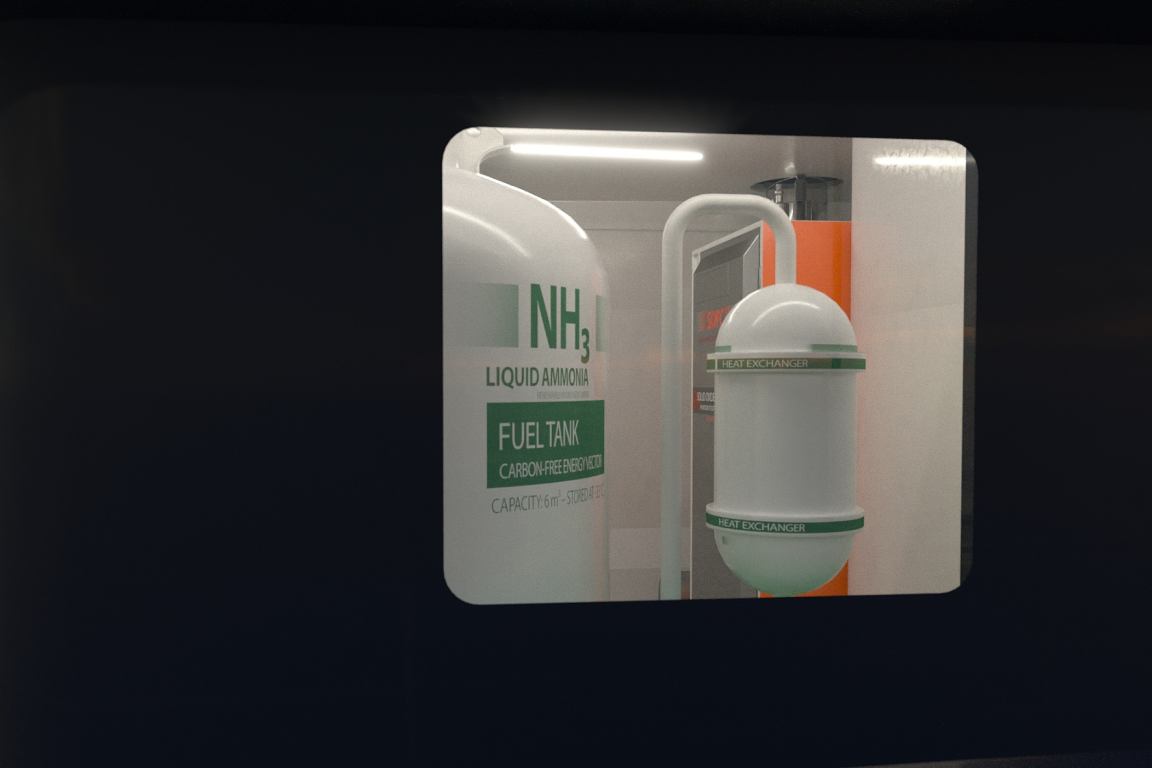
On board, these two pathways coexist within a fully integrated hybrid system combining ammonia storage, a cracker, PEM and SOFC fuel cell stacks, batteries, sail propulsion, and solar power generation. This architecture makes it possible to test different energy conversion strategies in parallel, measure their real-world performance, and map out their operational constraints.
Why Ammonia?
Ammonia is emerging as one of the most promising energy carriers for maritime decarbonization. It contains no carbon and emits no CO₂ when used. Unlike liquid hydrogen, it is easier to store and compatible with existing industrial and port infrastructure. Its production requires only nitrogen, freely available from the atmosphere, eliminating the CO₂ capture and purification processes required by carbon-based synthetic fuels.
However ammonia is a demanding compound in terms of safety, containment, and regulatory compliance. Its large-scale deployment requires rigorous, documented testing under real-world conditions. That is precisely what EO3 is built for.
Onboard technologies
Overall length
30.47 m
Width
12 m
Air draft / Draught:
20/2.1 m
Displacement & gross tonnage
125 t / < 400 UMS
Target speed
8 knots
A multi-purpose platform : science, creativity and expertise on board
Précédent
Suivant
1
ON-BOARD ENGINEERING | Researchers, and trainee officers to test next-generation energy architectures.
3
AUDIOVISUAL PRODUCTION | Onboard filming, interviews with experts, educational and institutional content from the ship
03
ARTIST RESIDENCIES | Artists embark on each mission to document the locations and issues being explored through their own unique lens.
4
EXPERTISE AND DIALOGUE | International experts brought together around the topics explored during the expedition's missions.
A project backed by a double institutional recognition
The EO3 project has been selected by the French Maritime Transport Decarbonization Fund of the CMA CGM Group, operated by Bpifrance. To this end, the AMHYGEN program, led by EO Concept, has helped to establish an industrial consortium dedicated to developing an innovative energy chain based on ammonia.
EO3 has been recognized by CORIMER, a strategic initiative involving ADEME, DGE, DGEC, DGAMPA, SGPI, and the marine clusters. This structured public support secures the integration of disruptive technologies, accelerates their implementation within a demanding regulatory framework, and aligns EO3 within France's national maritime decarbonization strategies.