
2014 - 2017
Transforming a legendary offshore racing catamaran into a floating laboratory.
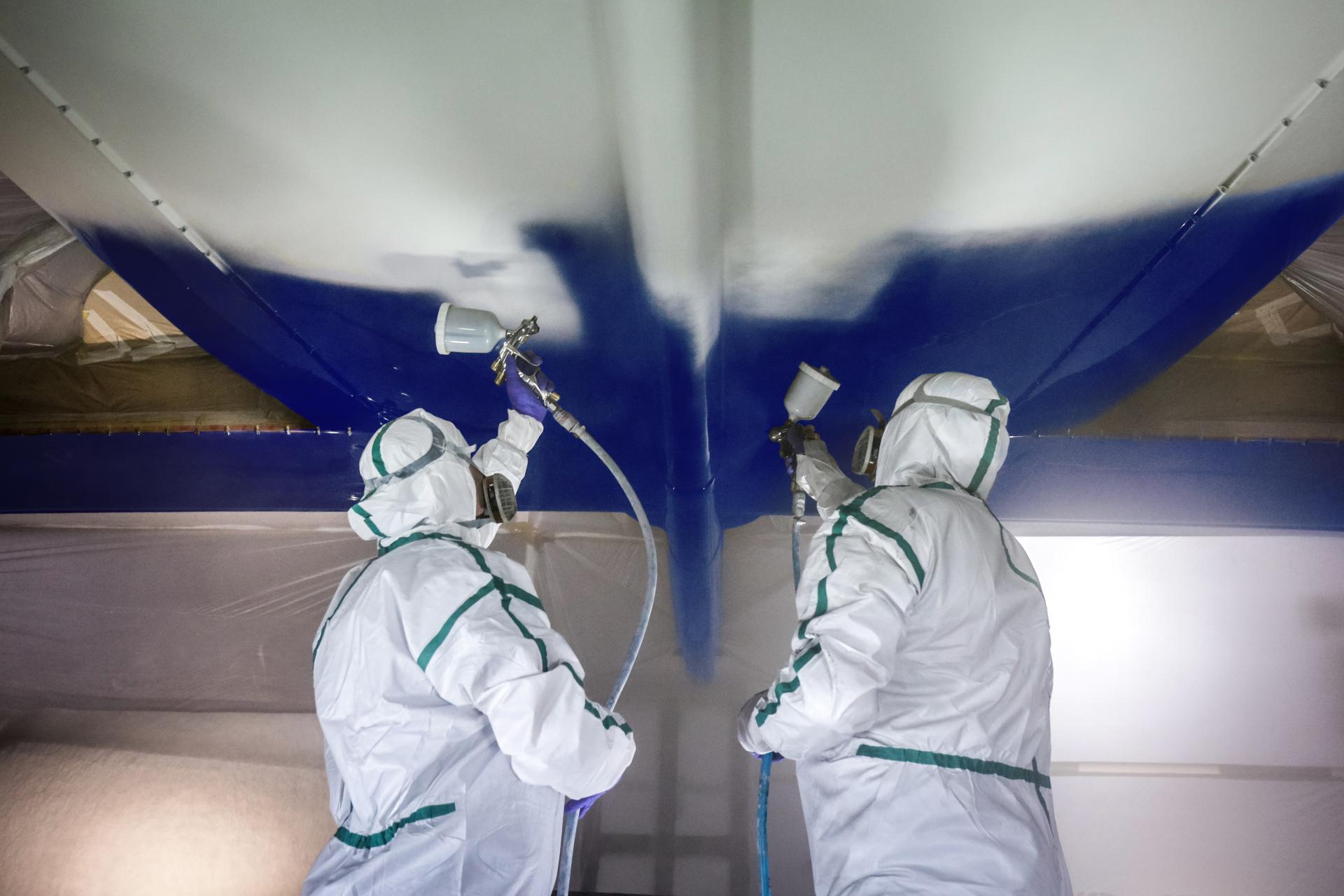
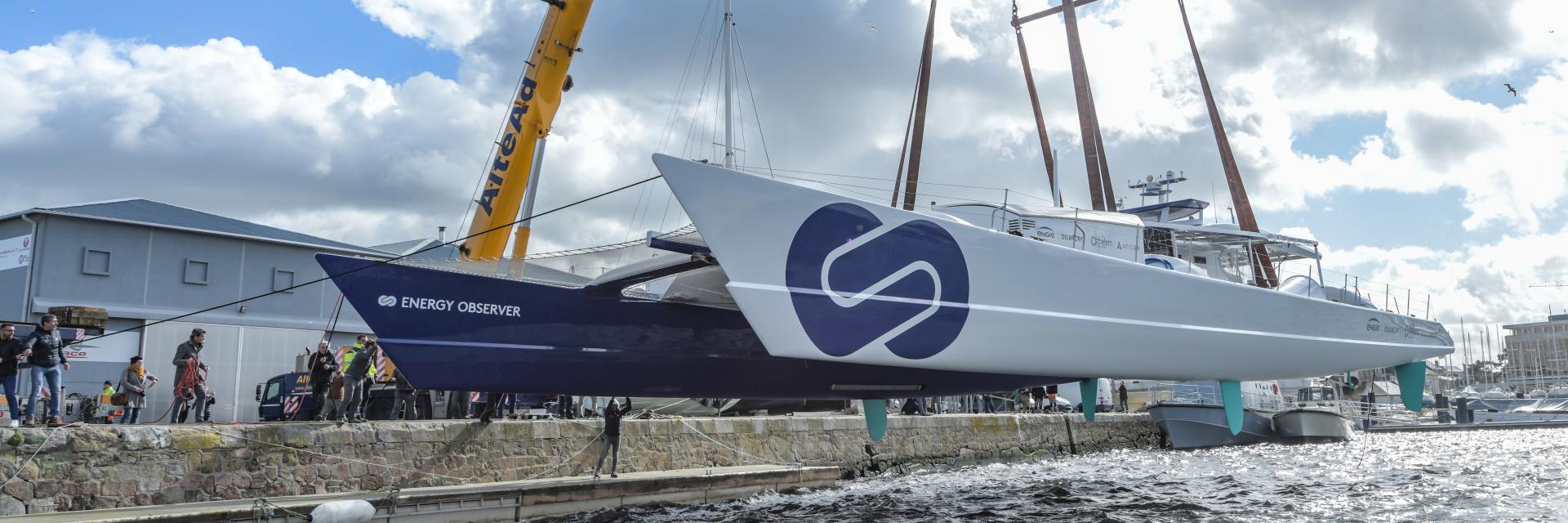
Launched in 1983, this catamaran set record after record, including the title of world's fastest racing catamaran in 1994. Where the vessel had once embodied maritime performance and daring, it became the stage for a different quest: the energy transition. Over four years, EO1 was rethought, rebuilt, and equipped, with 40 dedicated engineers and technicians and 250,000 hours of work. An innovative energy mix, on-board hydrogen produced by electrolysis of seawater, combined renewables: the ship became a full-scale demonstrator, capable of navigating with zero direct emissions while facing the open ocean.
2017
EO1 left the shipyard and returned to sea.
No longer to break records, but to embark on a 7-year circumnavigation designed as a demonstration at a planetary scale.
2017-2024
Odyssey: a proof by example
For seven years, EO1 crossed the world's oceans, not to break records, but to prove that clean maritime navigation was no longer a distant promise. From the Arctic to the Pacific, from the Caribbean to Southeast Asia, the ship tested and validated low-carbon solutions under the most demanding real-world conditions: open-sea navigation, extreme climates, and energy constraints that no laboratory could replicate.
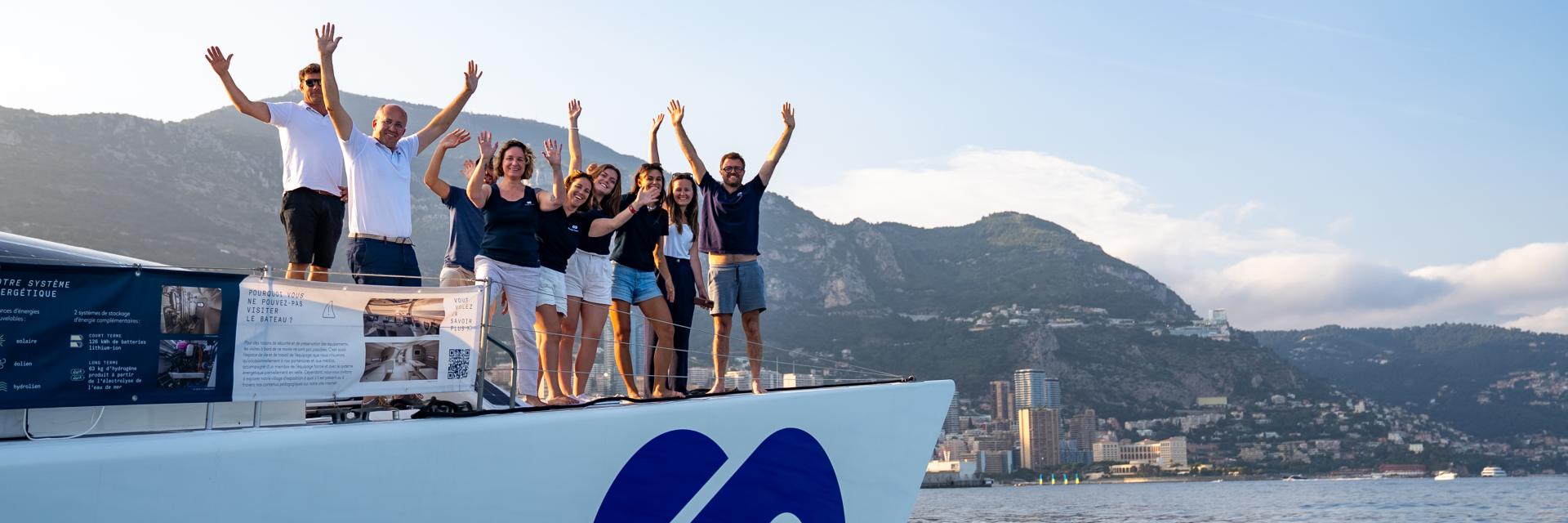
At every port of call, EO1 opened its doors, to partners, scientists, decision-makers, and the public, turning the energy transition into something visible, tangible, and shared. Along the way, Energy Observer helped build an international network of committed pioneers, shining a light on the innovators and low-carbon technology solutions driving maritime decarbonization forward.

Odyssey key figures
2025–2033
New expedition, new chapter
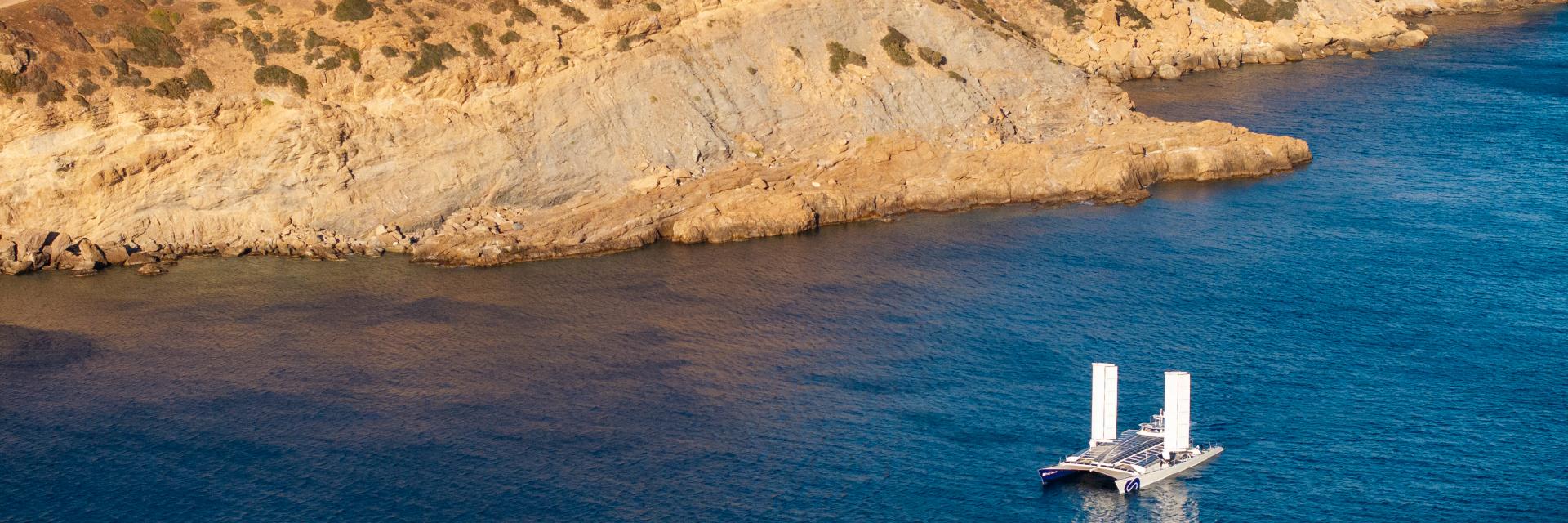
In the summer of 2024, Energy Observer returned to France, ending its extraordinary journey and marking the beginning of a new chapter : a major 9 year expedition, organized around 7 thematics missions, across oceans and continents to explore the driving forces behind global decarbonization.
Nine years to experiment, decode, and raise awareness. Nine years to do our part, accelerate the energy transition, and work toward carbon neutrality.
7 thematic missions
-
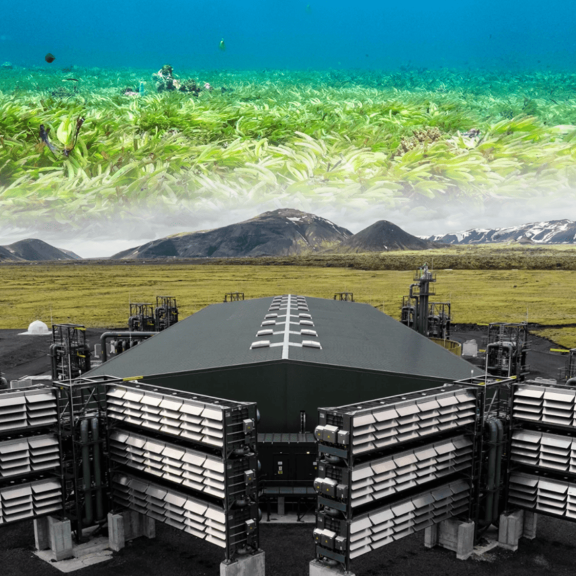
2025 2026 Carbon capture: Europe, North Atlantic
-
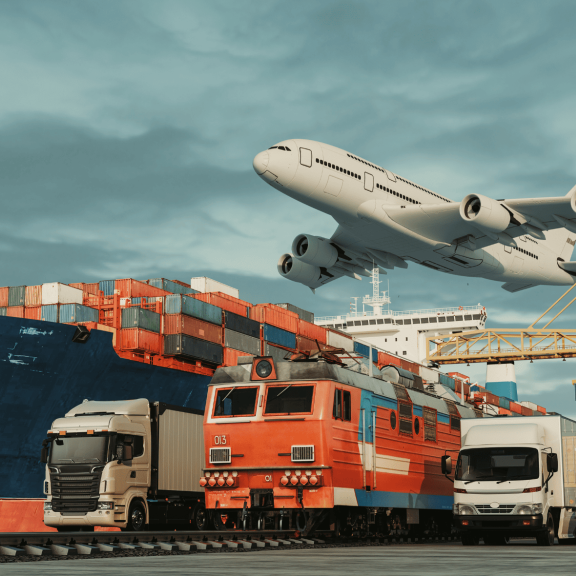
2027 Sustainable mobility: France, Southern Europe
-
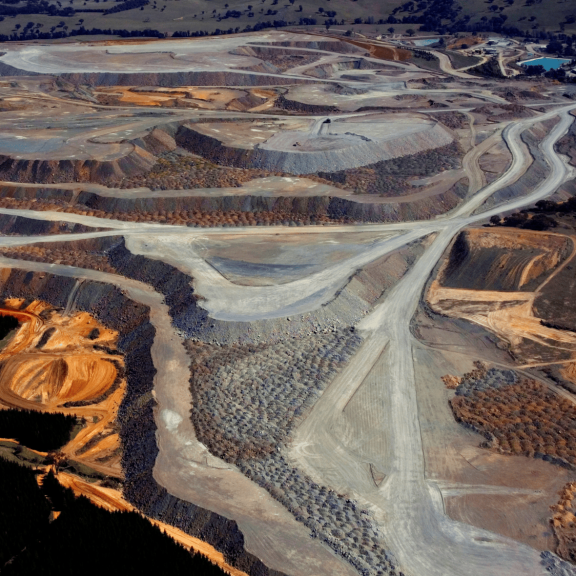
2028 Strategic materials and circular economy: Africa
-

2029 Strategic materials and circular economy: North America
-
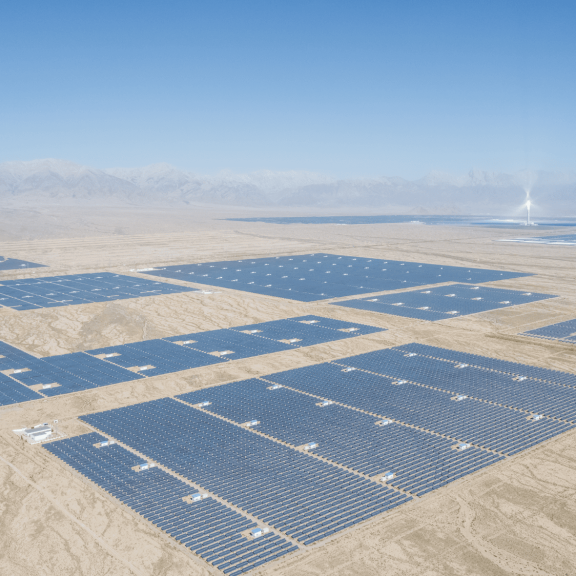
2030 2031 Fossil, renewable & nuclear energies: Middle East, Asia, Oceania
-
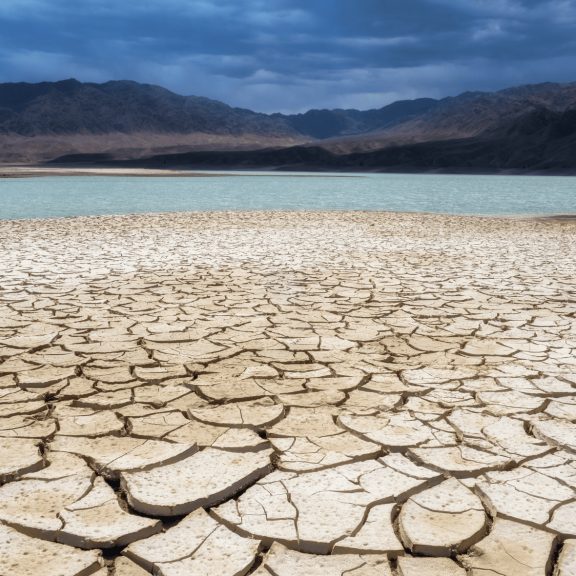
2032 Water, access to a vital resource: South America
-
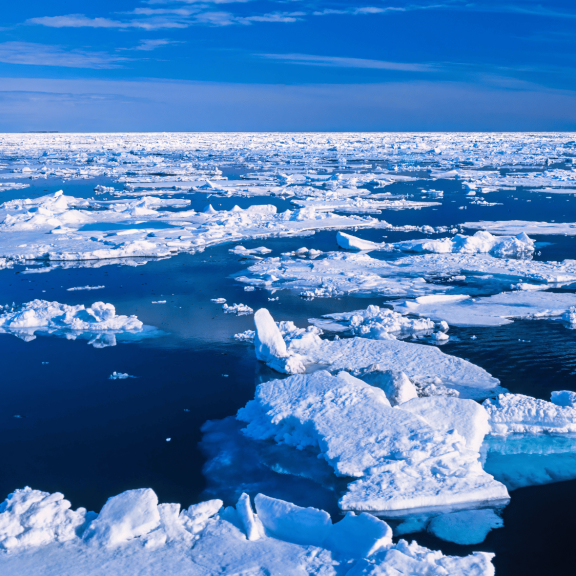
2033 Adaptation & resilience to climate change: Arctic