Designed as an investigation and field mission, the mission 1 pursues a holistic approach to CO₂ capture, analyzing both natural ecosystem-based solutions and cutting-edge industrial technologies.
To understand how these complementary levers, when combined at scale, can contribute to a credible and realistic pathway toward carbon neutrality by 2050, our mission is built around four core objectives: Explore, document, build bridges, share knowledge.
Get the latest updates on Mission 1
Our field investigations
Since September 2025, as Energy Observer has travelled across Europe, our reporting team has been meeting the people developing solutions to capture and store CO₂. The challenge is immense: beyond reducing our emissions, we must also find ways to offset the 40 billion tonnes of CO₂ released into the atmosphere by human activities every year.
Following the vessel's route, at sea and on land, from the ocean floor to forests, wetlands and cutting-edge laboratories, as well as pioneering industrial technologies, we investigated a wide range of carbon capture and storage solutions throughout this first editorial mission.
Prinos - Greece
CARBON STORAGE
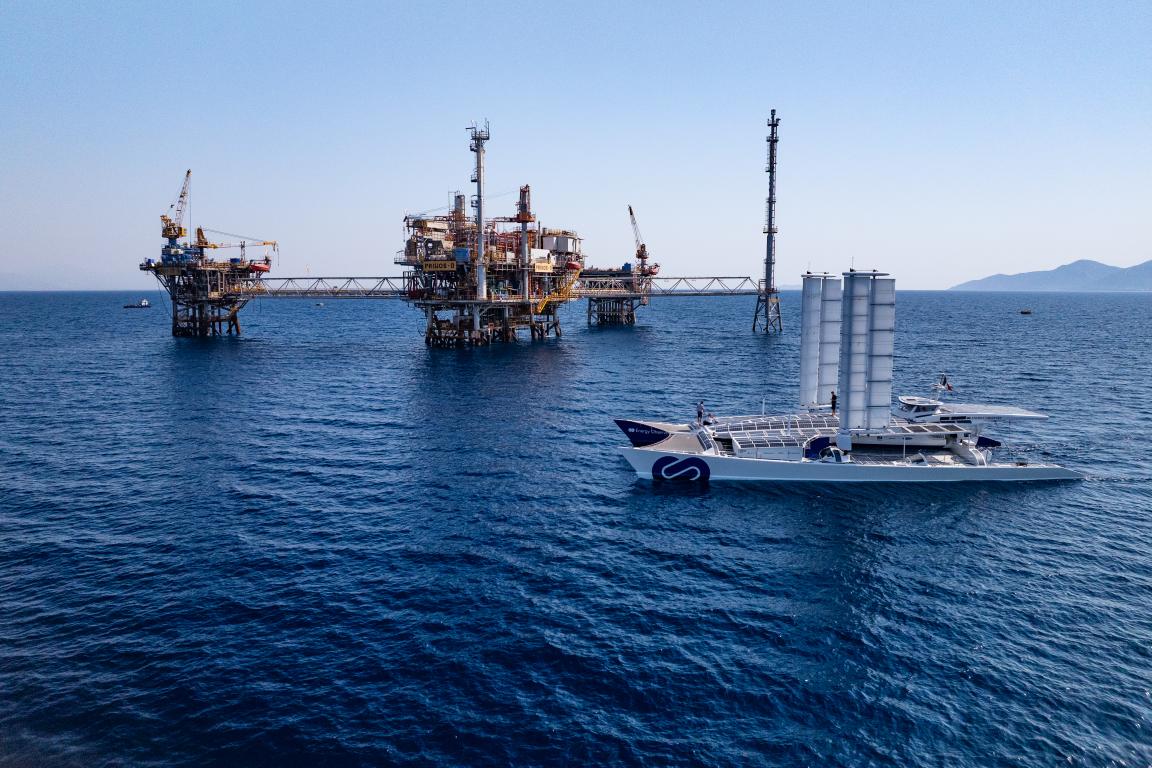
We began our investigation into carbon neutrality... by climbing aboard an offshore oil platform in Prinos, Greece. It may seem counterintuitive at first, but this former oil production site is about to begin a new chapter. Where rock formations were once drilled to extract oil, they will soon be used to permanently store CO₂ deep underground.
Stromboli - Italy
MICROORGANISMS & MINERALISATION
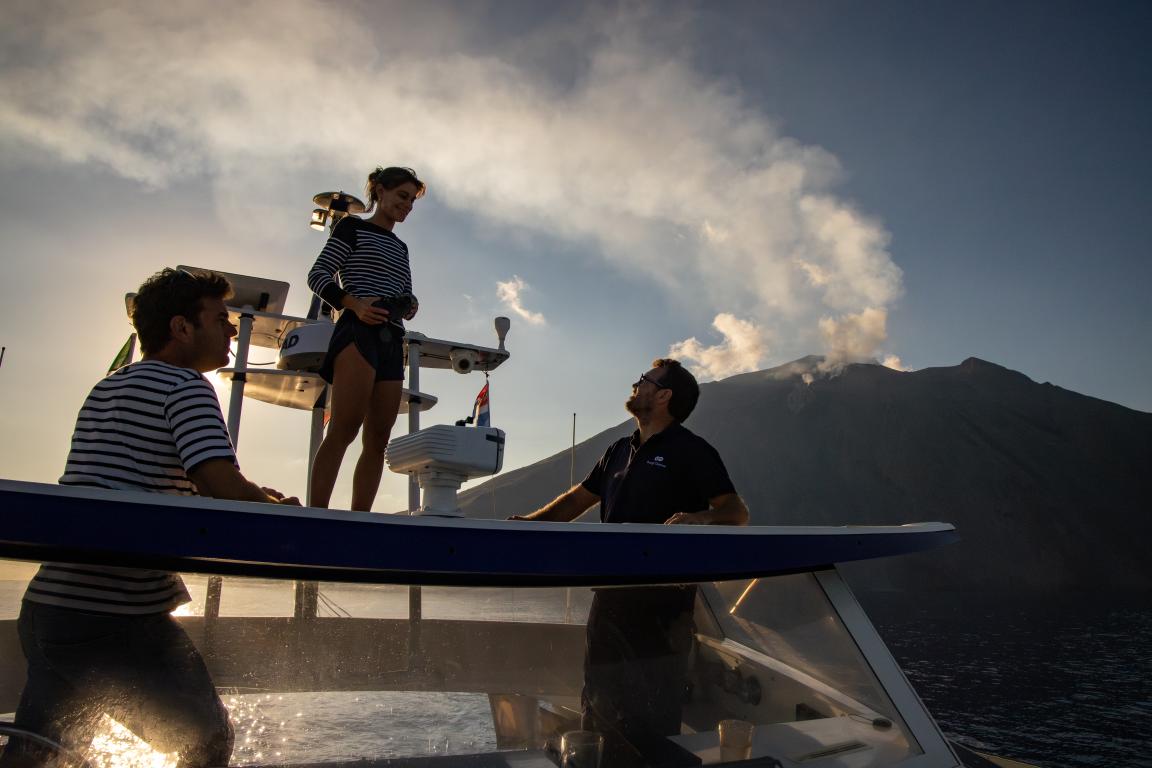
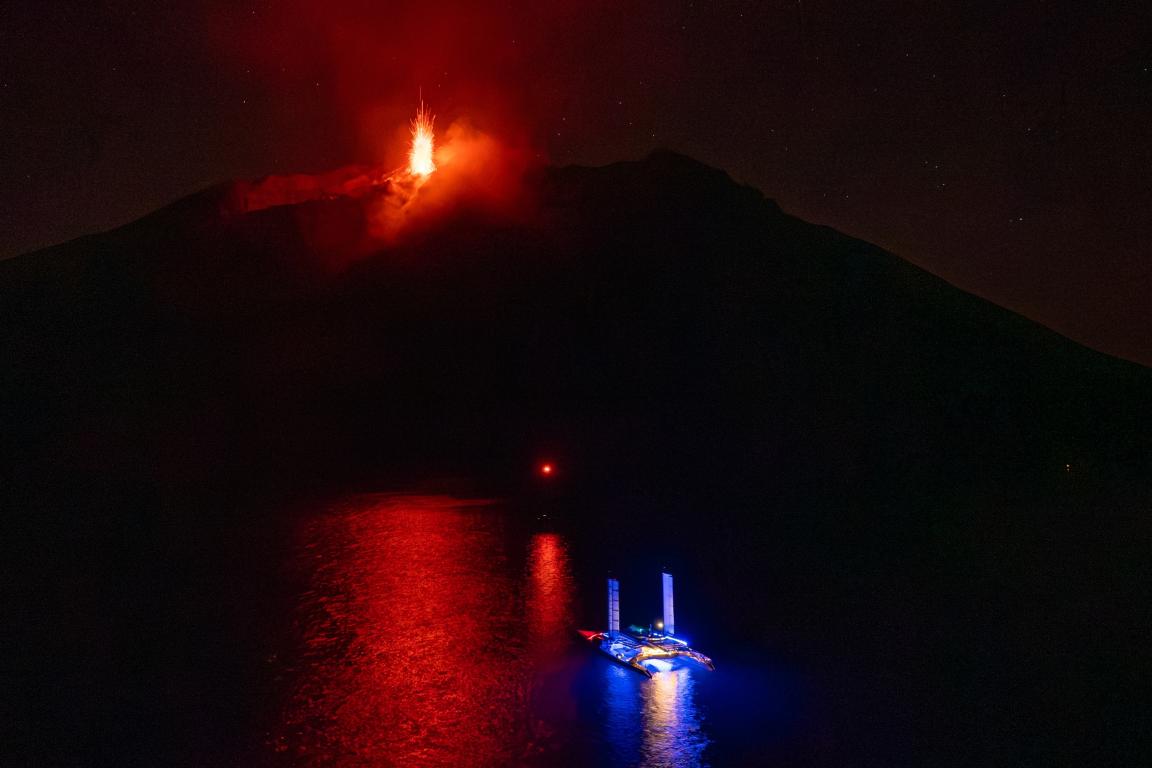
Off the coast of Sicily, we sailed to Stromboli to explore a fascinating natural phenomenon. Beneath this active volcano, underwater hydrothermal vents host microorganisms capable of naturally trapping carbon. This mechanism, perfected by the Earth over millions of years, is now inspiring scientists to develop new ways of capturing CO₂.
Posidonia - Tunisia
OCEANS
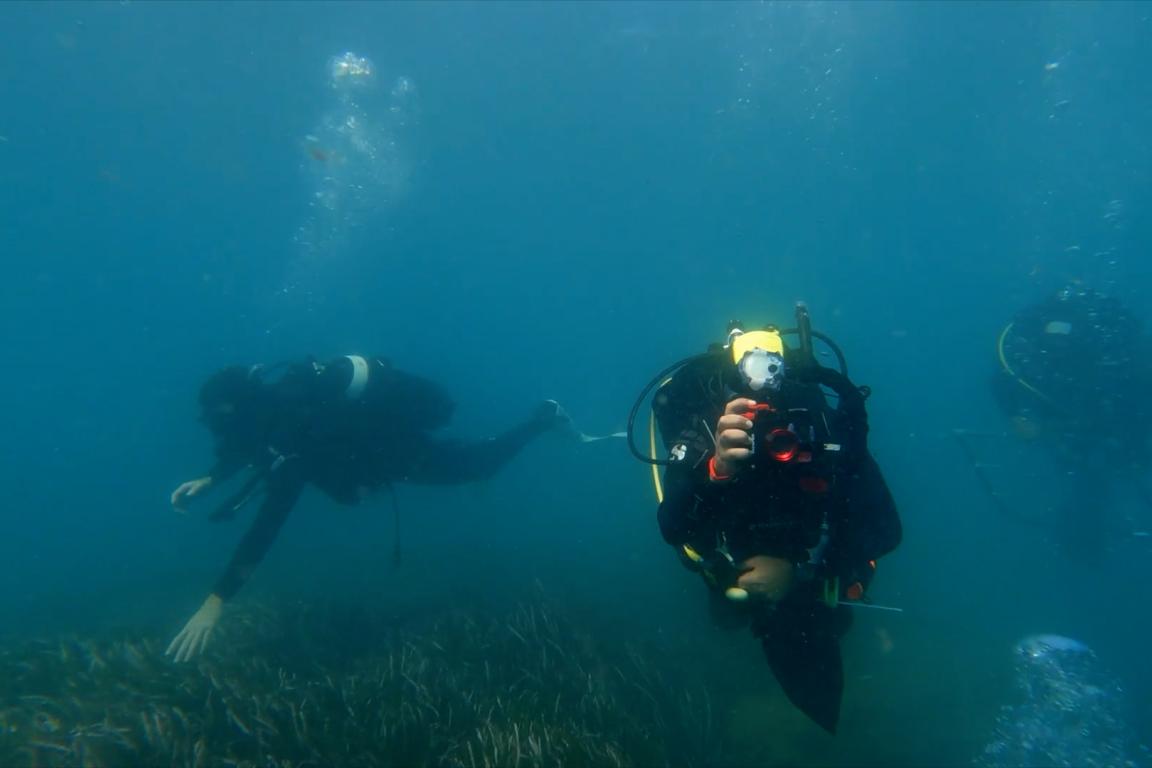
Our journey then took us back to what we know best: the ocean. In Tunisia, we dived alongside local experts to better understand the crucial role of Posidonia seagrass meadows. Endemic to the Mediterranean, this marine plant forms vast underwater forests capable of storing carbon for thousands of years, while producing oxygen and supporting exceptional biodiversity. Locally, it is known as "The Queen".
Cork Oak - Portugal
SOILS, FORESTS & WETLANDS
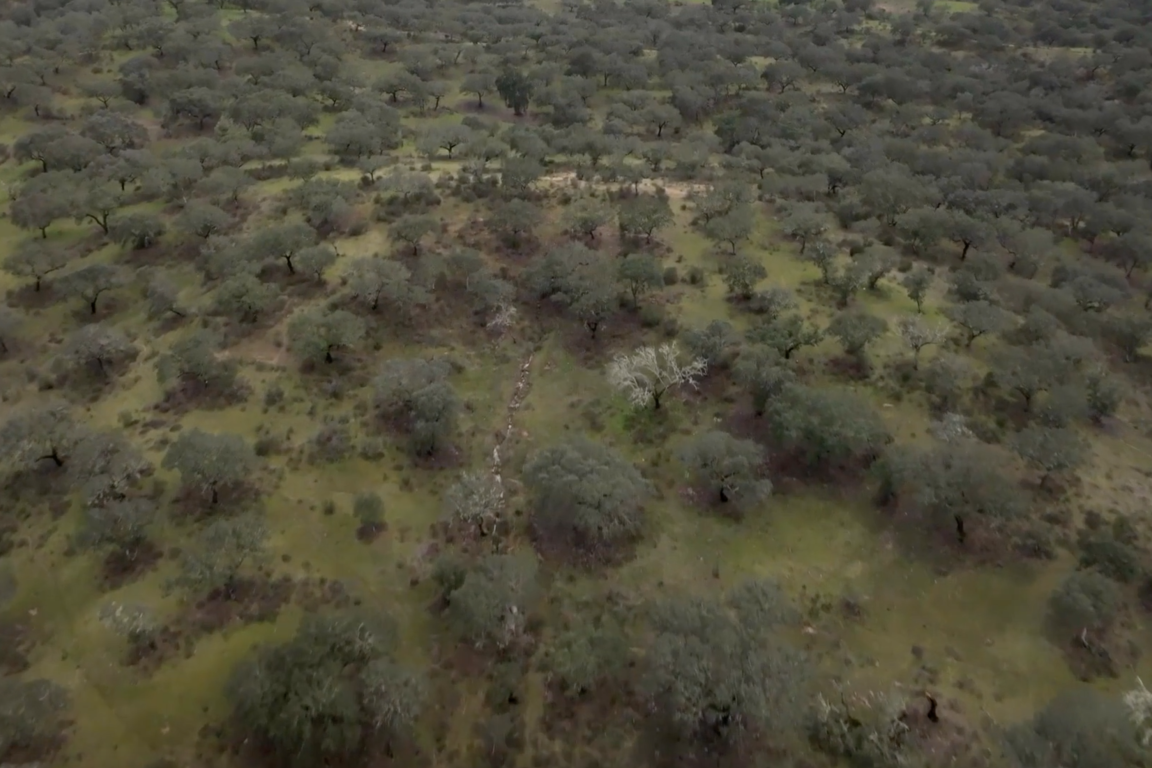
Our next destination was Portugal, where we explored one of the Mediterranean's most remarkable ecosystems: the cork oak. Unlike most trees, its bark naturally regenerates after every harvest, increasing its ability to capture atmospheric CO₂. Between Portugal's traditional montados and Amorim's cork factories, we discovered how sustainable forest management can successfully combine biodiversity, economic activity and climate action. Some even asked us a surprising question: Could cork save the world?
French Forests - France
SOILS, FORESTS & WETLANDS
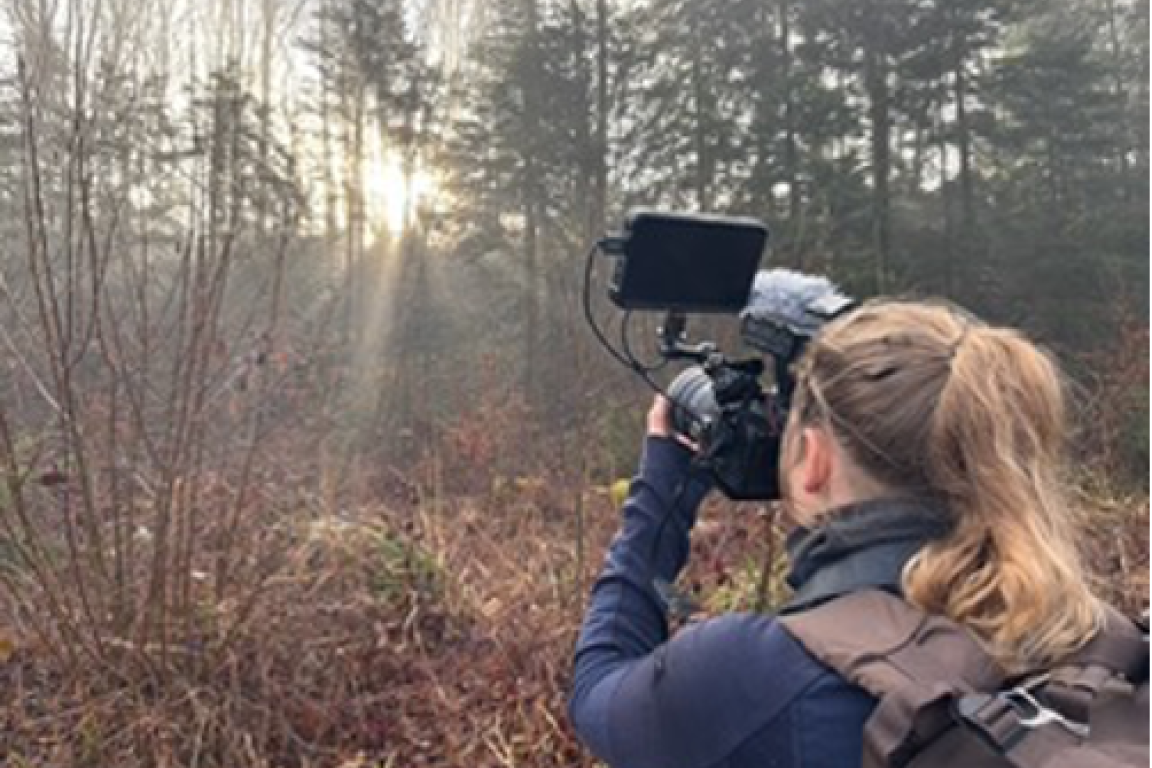
Our journey then took us into France’s forests, where the picture is far more complex. Once considered the country’s primary natural carbon sink, French forests now absorb only half as much CO₂ as they did in the early 2000s, weakened by recurring droughts, disease and the impacts of climate change. Alongside the teams of the French National Forest Office (ONF), we explored restoration programmes designed to make tomorrow’s forests more resilient.
Ocean Acidification - France
OCEANS
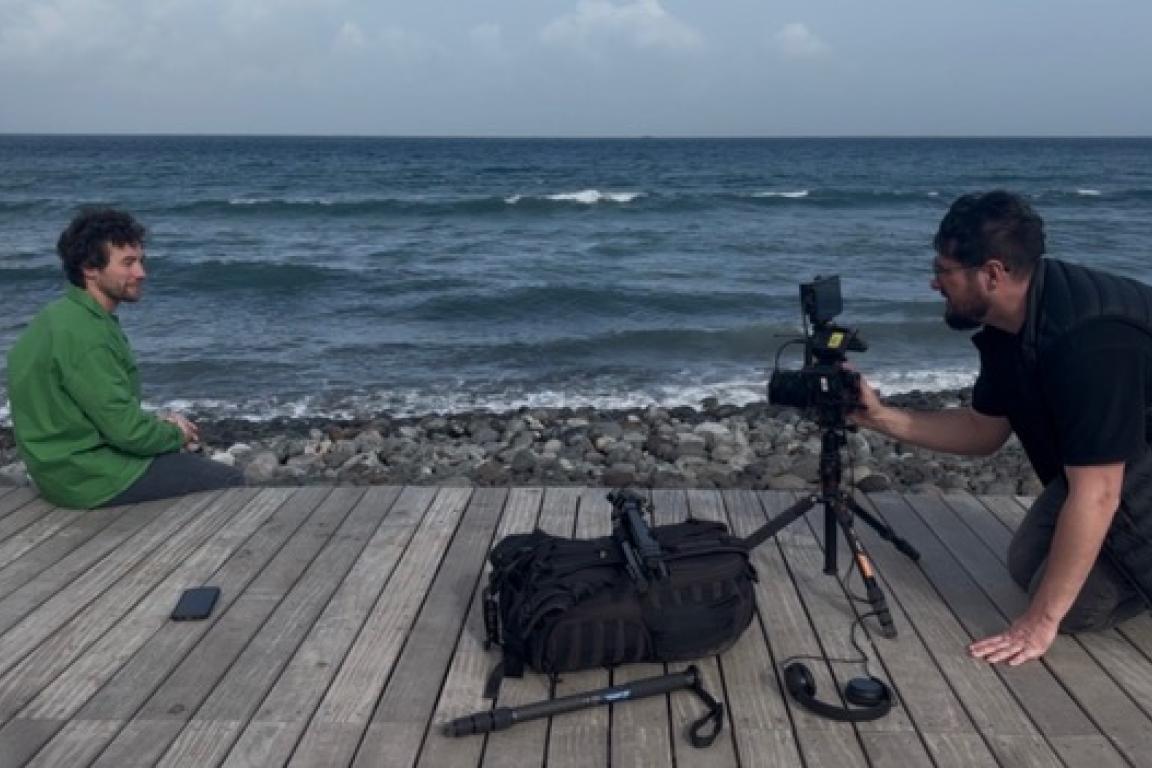
After crossing the seventh planetary boundary, ocean acidification, we stayed in France to better understand its impact on the world's largest carbon sink and the solutions being developed to protect it. Alongside Nicolas Sdez, we discovered an innovative technology designed to reduce ocean acidification and strengthen the ocean’s natural ability to absorb CO₂. A behind-the-scenes look at French innovation, where scientific research meets entrepreneurship and climate action.
Carbon Credits - UK
GOVERNANCE
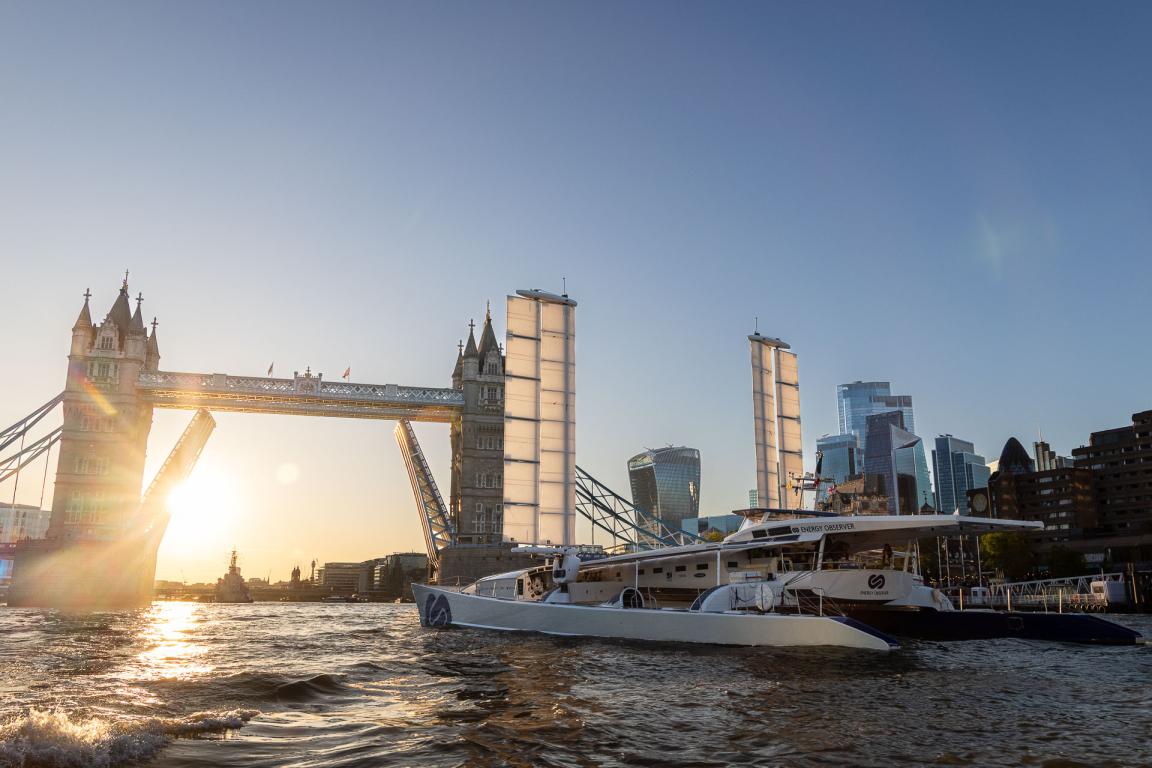
Our investigation then took us into the heart of the City of London to explore the carbon credit market. We met the organisations that assess, rate and trade carbon credits, which have become a key mechanism for financing climate action. From carbon removal projects and rating agencies to brokers and market controversies, this investigation unpacks a system that is as promising as it is debated.
Biochar - Germany
BIOMASS & BECCS
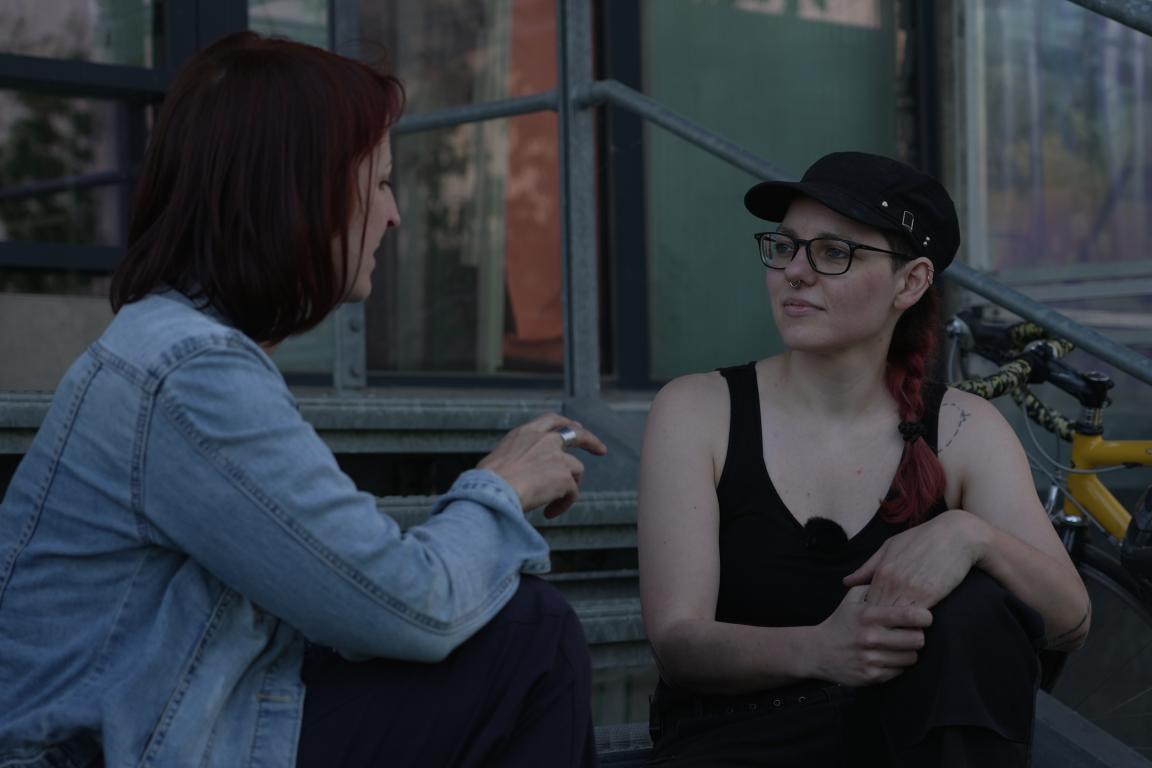
In Germany, we explored biochar, a solution that transforms biomass into a stable form of charcoal capable of storing carbon for the long term. This investigation also took us to Ørsted, a leading player in the energy transition, where we discovered how BECCS (Bioenergy with Carbon Capture and Storage) could become an important tool for reducing industrial emissions.
(Full documentary coming soon.)
CCUS - Norway
CCUS & BECCS
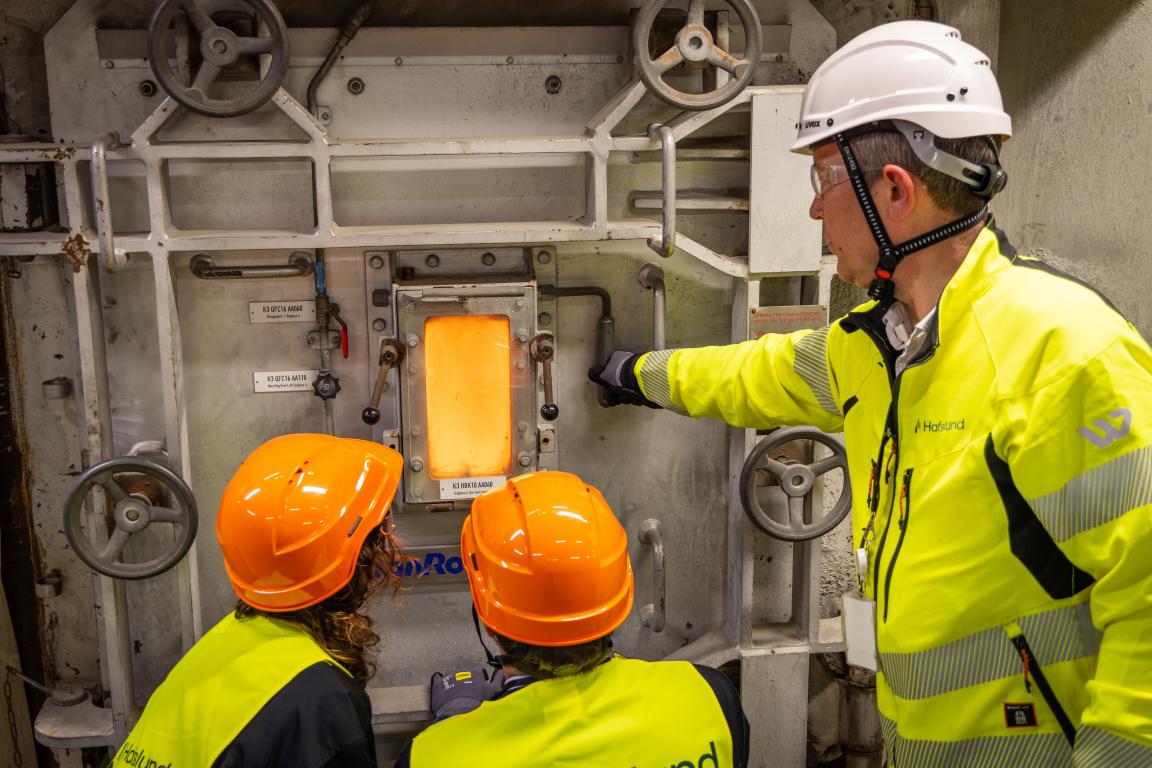
We then headed north to explore industrial carbon capture technologies. In Norway, we followed CO₂ from the moment it is captured at the source to its permanent storage beneath the North Sea. From Oslo's wastewater treatment plant to the Technology Centre Mongstad, and on to the Northern Lights project, this investigation reveals how the Carbon Capture and Storage (CCS) value chain works in practice—and the questions it raises.
DACCS & Peatlands - Iceland
DACCS & WETLANDS
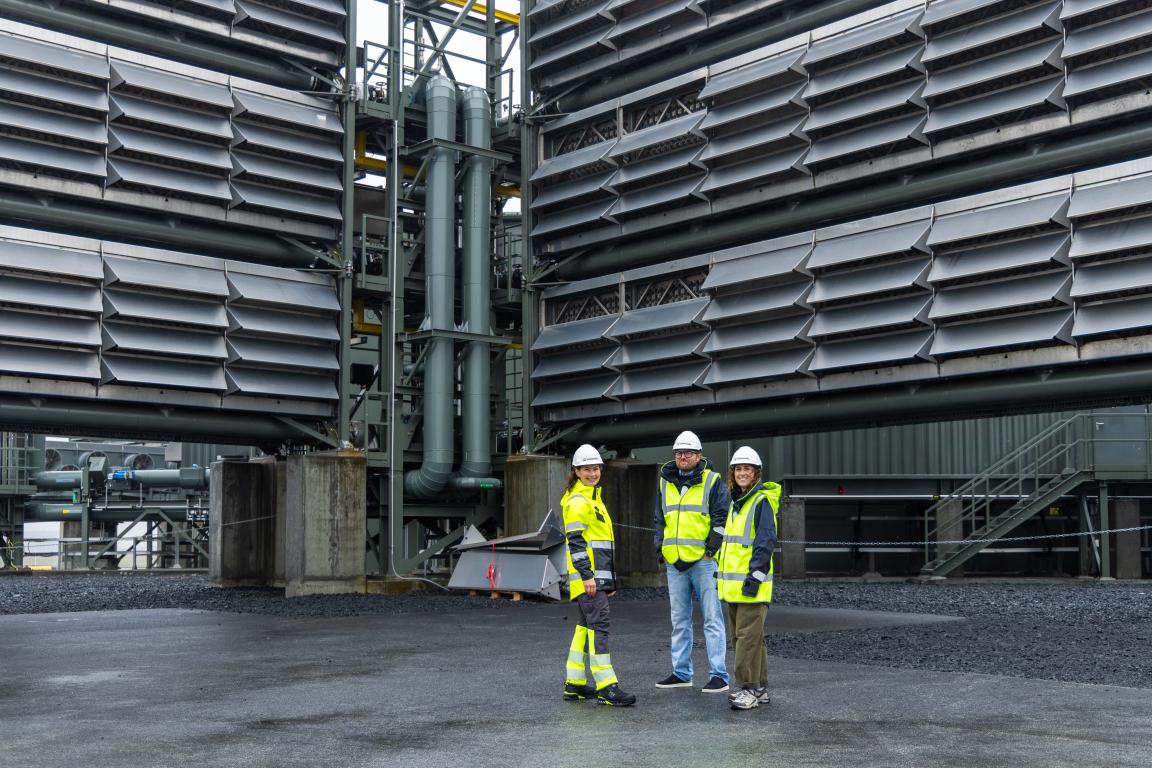
Iceland marked the final stop of our first editorial mission. On the sites of Climeworks and Carbfix, we followed the complete journey of CO₂—from direct air capture to its mineralisation into basaltic rock deep underground. We also explored Iceland's peatland restoration programmes, highlighting the crucial role of these fragile ecosystems as natural carbon sinks. A fitting conclusion that illustrates how industrial technologies and nature-based solutions can work hand in hand on the road to carbon neutrality.
Learn more about DACCS (Video coming soon on YouTube.)

Mission 1
2025-2026 : A journey across Europe & the North Atlantic
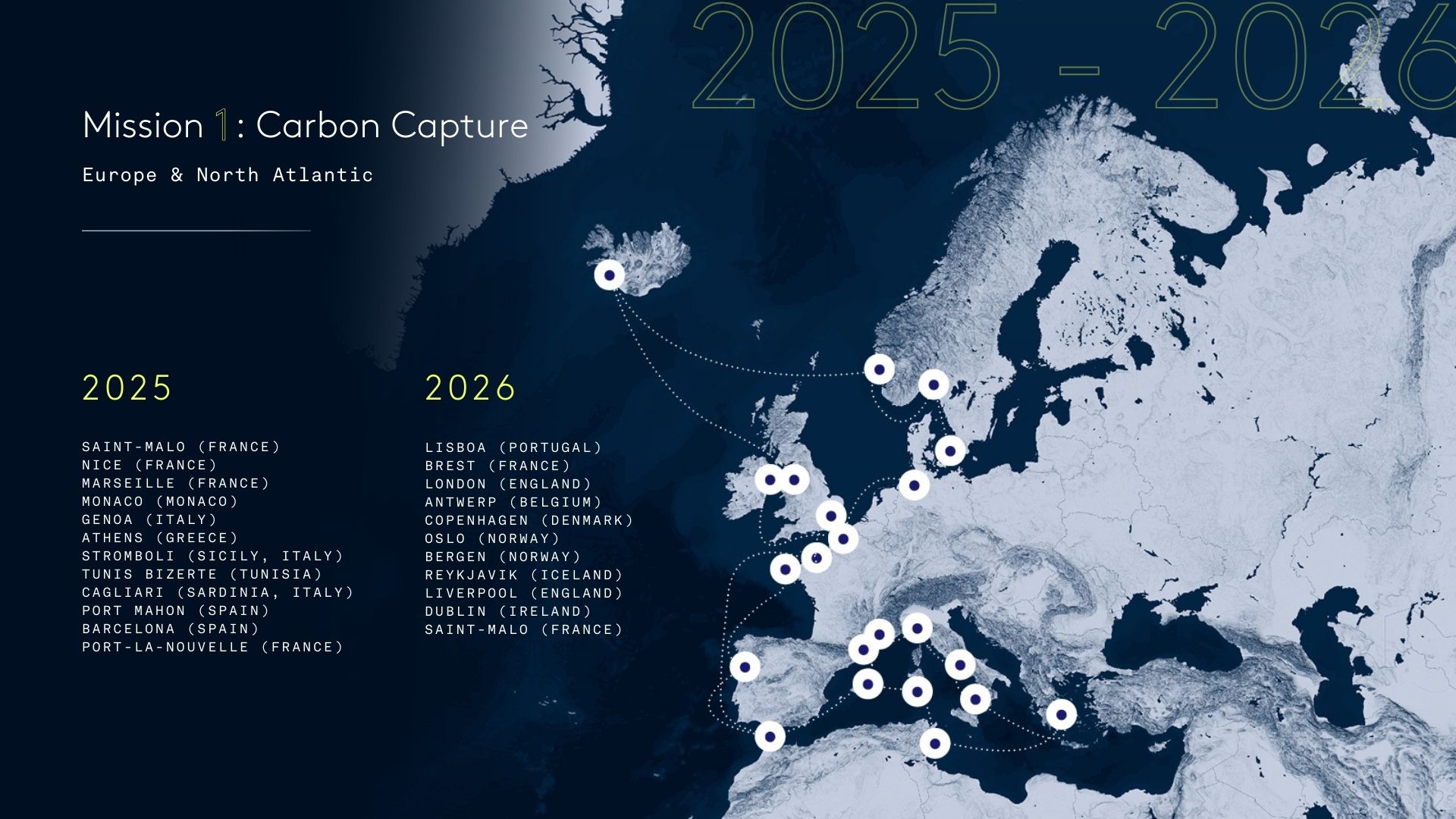
A mission carried out by EO1

Between 2025 and 2027, EO1, Energy Observer's first laboratory vessel, will ensure the operational continuity of the expedition in Europe, while enabling the crew to remain in close proximity to the EO3 construction site.
